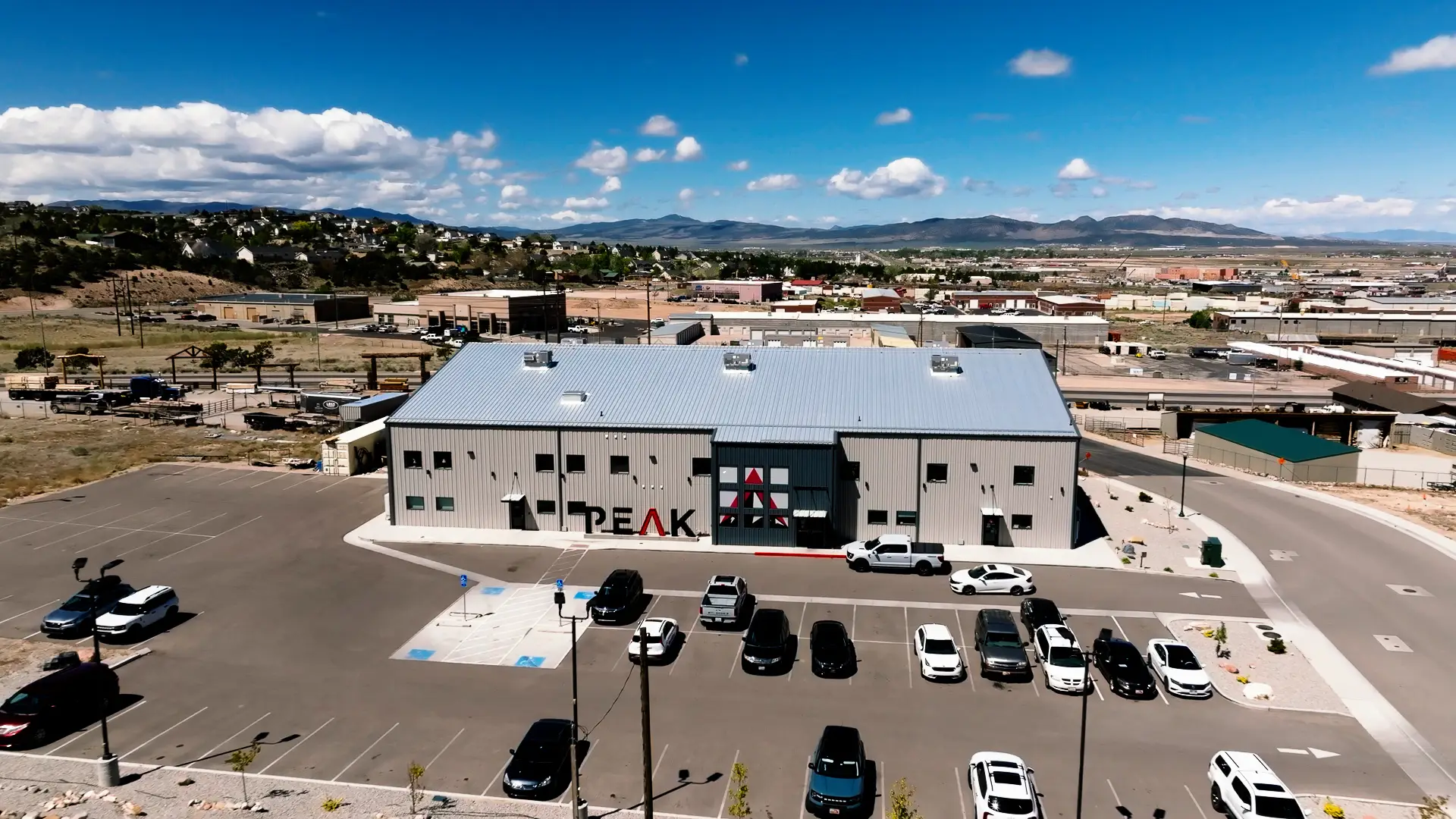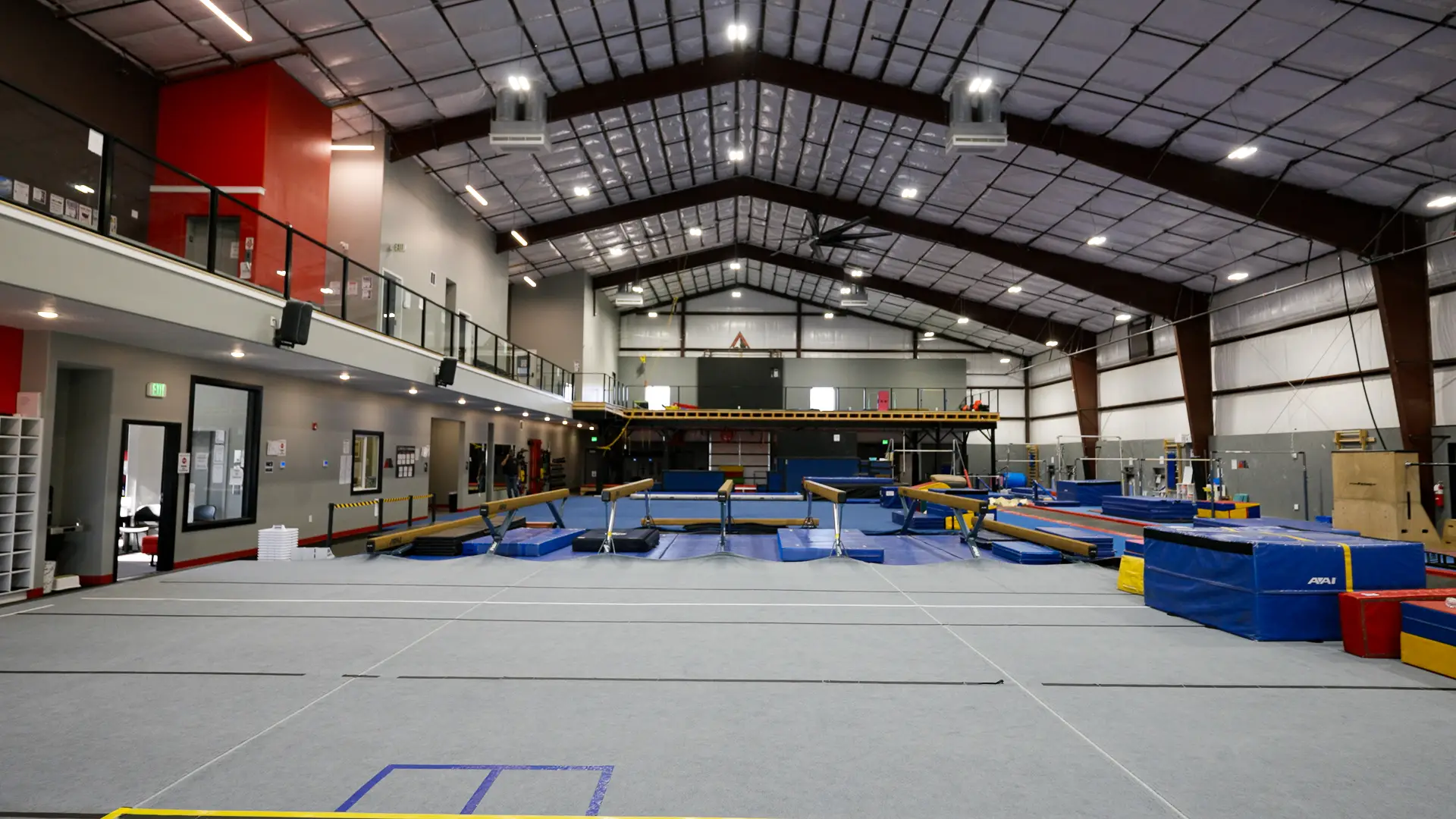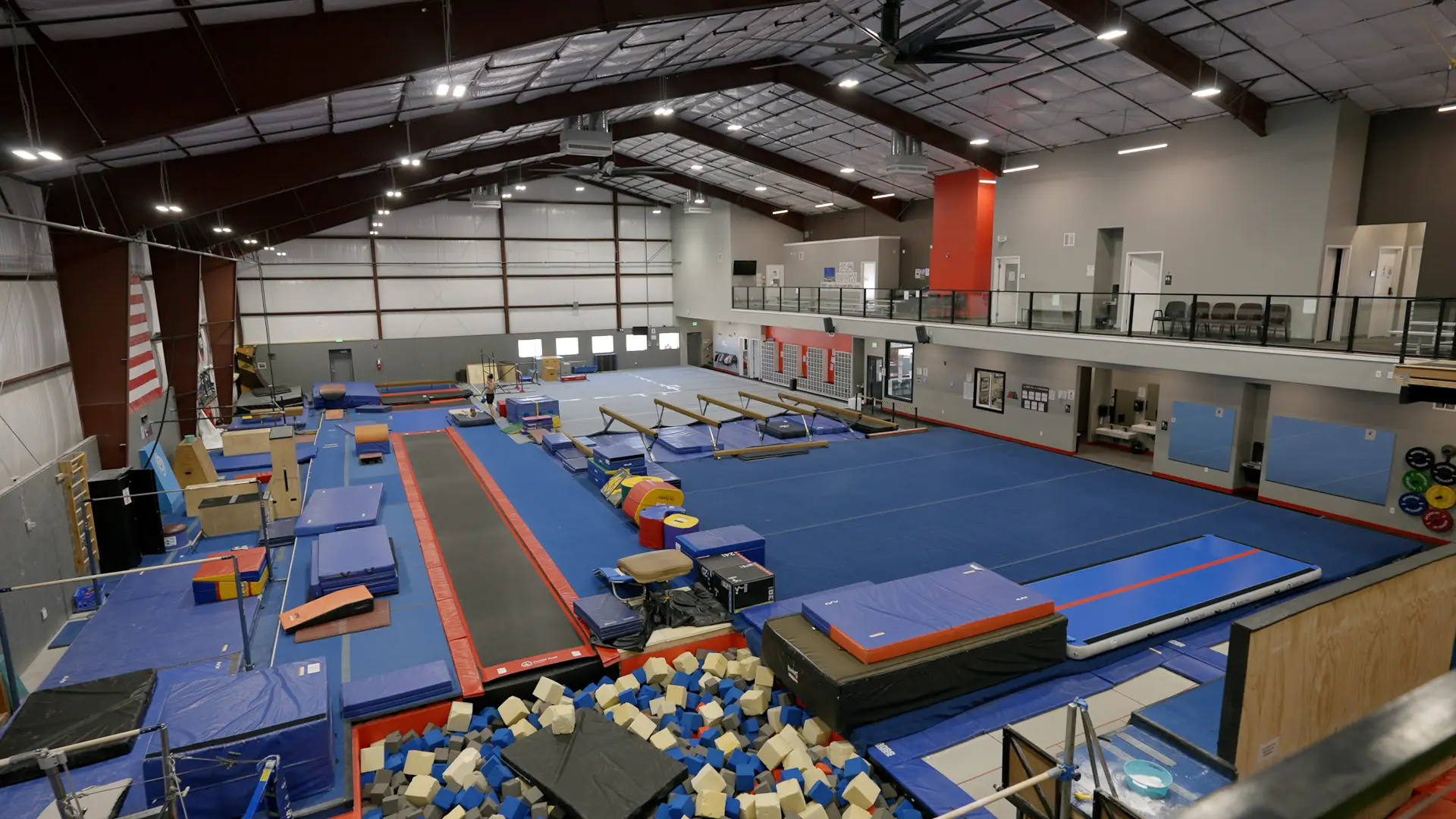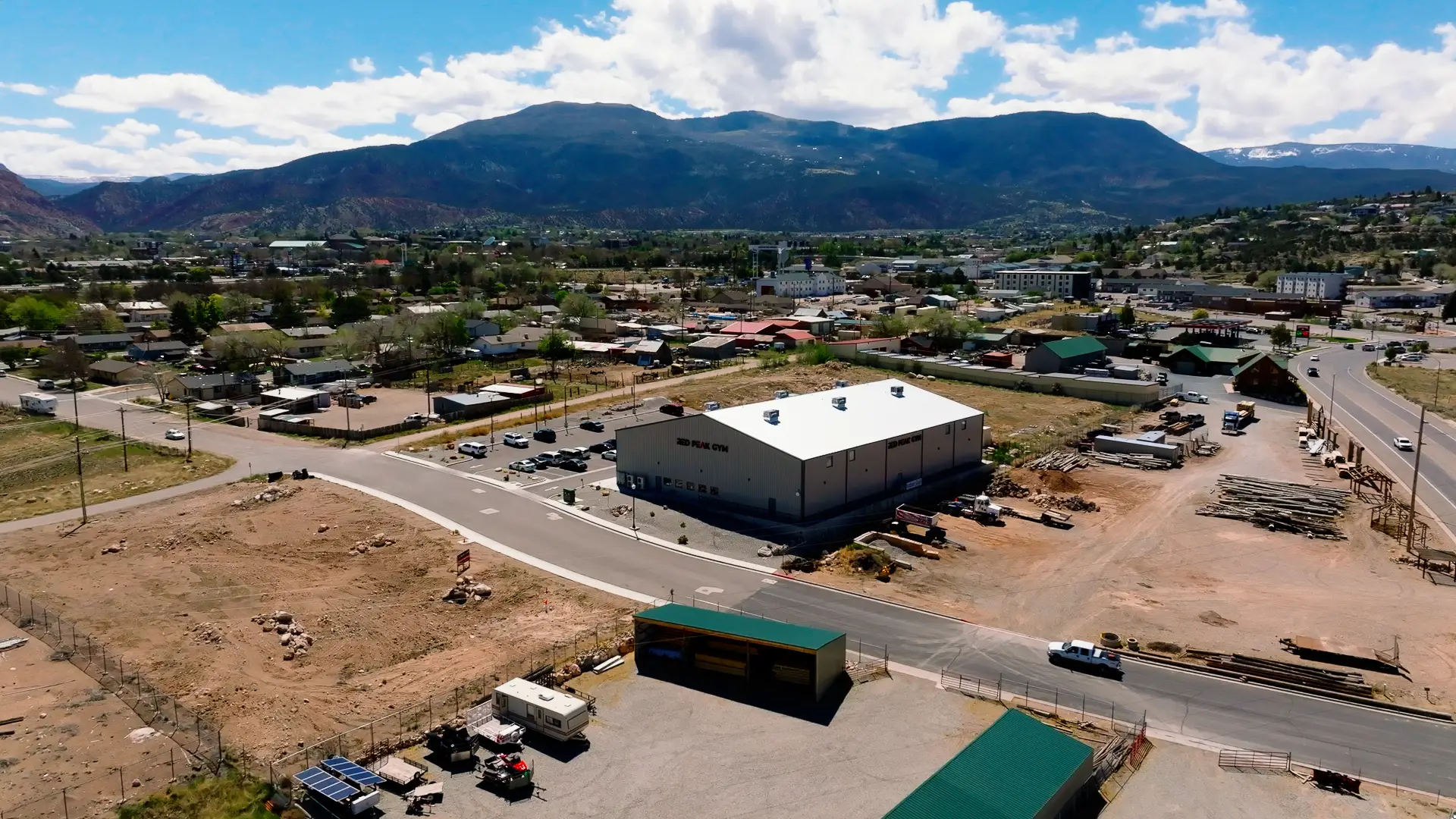
From concept through completion, our design-build contractors manage design, budgeting, permitting, and construction under one accountable roof.
Traditional construction pits owners between separate designers, engineers, and contractors, each pointing to the other when problems arise. Travis Larsen Construction’s design-build approach eliminates that risk. As your single design-build contractor, we manage the entire process — design, budgeting, permitting, and construction — under one roof, with one team accountable for the outcome.
Our commercial general contracting services are built for developers, business owners, and property managers who need a construction partner capable of managing complexity without losing sight of the details.
We start by understanding your goals, budget, and timeline before a single drawing is created.
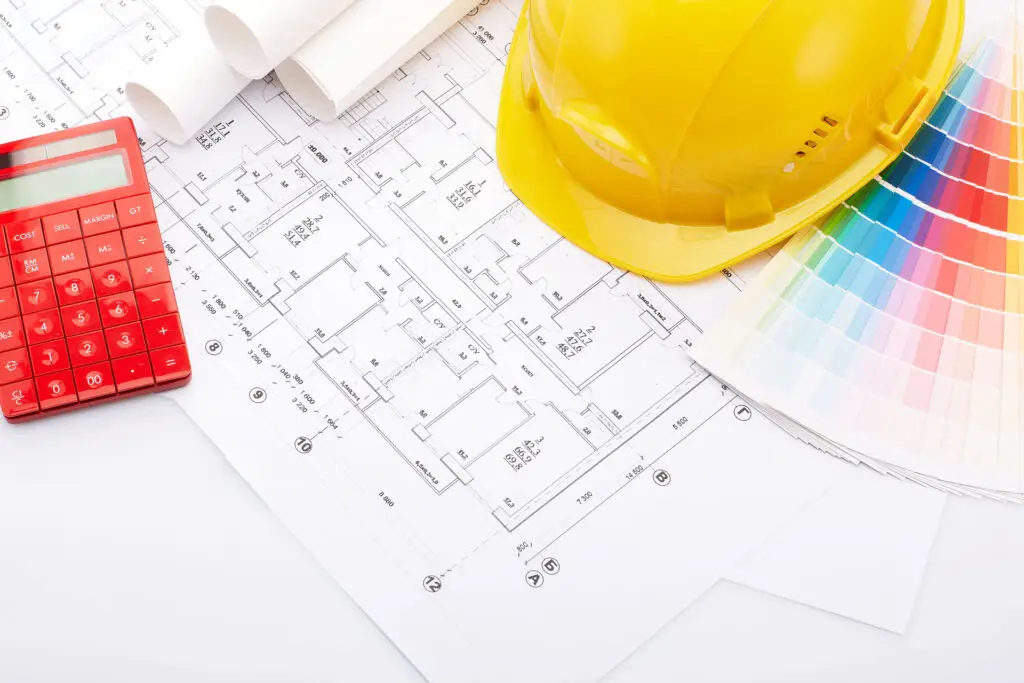
Our team develops the design in tandem with real-world cost and constructibility, so surprises are caught on paper, not on site.
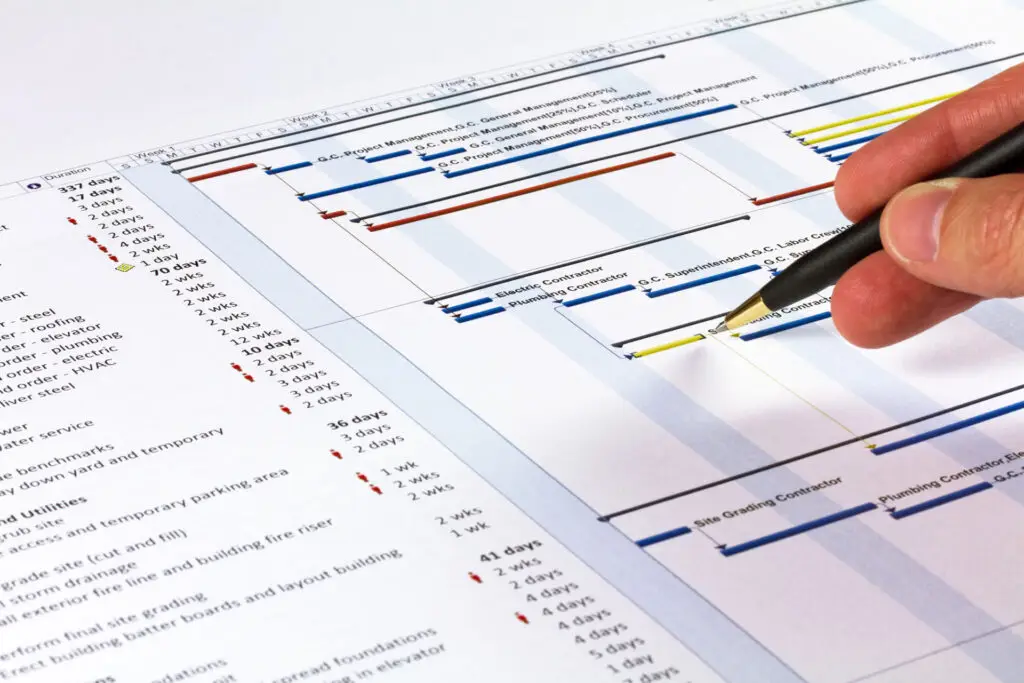
You receive a transparent budget and realistic schedule before construction begins, not after.
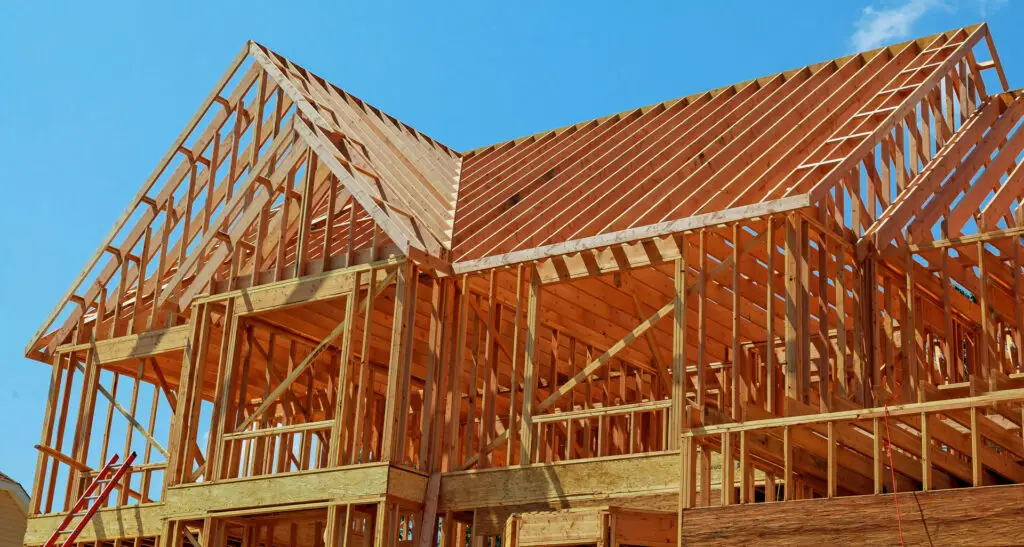
Our experienced crews execute the build with the same team that designed it, preserving intent and quality throughout.
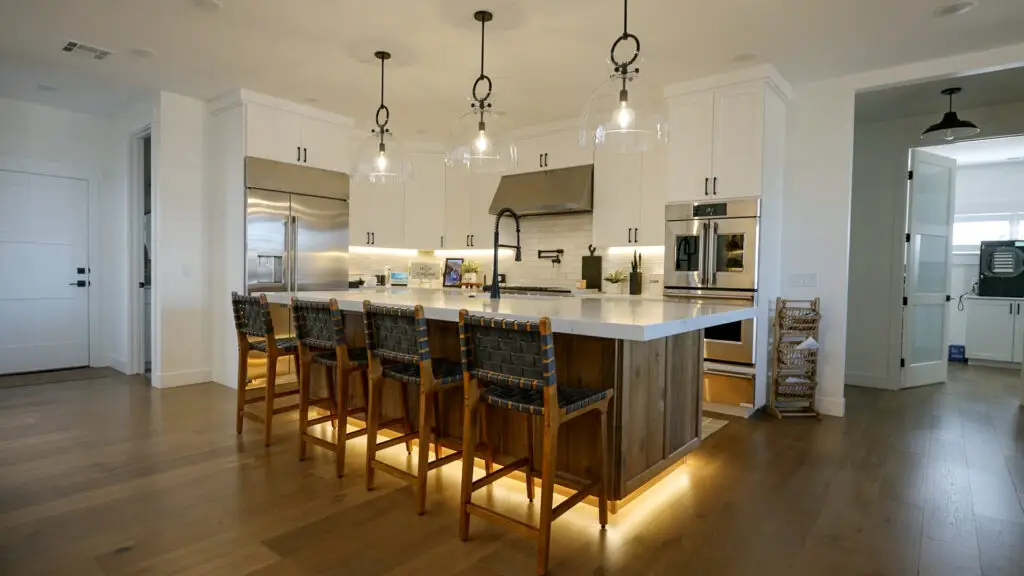
We close out every project with a thorough walkthrough, ensuring the finished space matches the vision we built together.
Our commercial general contracting services are built for developers, business owners, and property managers who need a construction partner capable of managing complexity without losing sight of the details.
Design and pre-construction planning overlap instead of happening in sequence
The design team and the construction team are the same team
No finger-pointing between architect and contractor
Constructibility and budget are considered from day one
Our design-build services are especially suited to commercial developers and business owners across Cedar City and Southern Utah who need office buildings, retail spaces, tenant improvements, and industrial facilities delivered efficiently — without sacrificing quality or design intent.
Interested in a design-build approach for your next commercial project?
Call 435-590-2284 to schedule a design-build consultation.
5 questions to ask your general contractor
Why it matters: A valid license ensures they know local building codes. General liability insurance protects your property if a subcontractor accidentally damages your home, and workers’ comp ensures you aren’t held liable if a crew member gets hurt on your property.
Why it matters: You need to know their projected start and end dates, but more importantly, how they handle delays (weather, supply chain issues, etc.). Ask how they manage scheduling conflicts and if they have a buffer built into the estimate.
Why it matters: You need to know how you will communicate (text, phone call, email, or a project management app like BuilderTrend) and how often (e.g., a weekly Friday wrap-up call). This is also your chance to ask: “If I see something on-site that looks wrong, who do I contact directly so I’m not bothering the crew?”
Why it matters: You need to know the exact process for when plans change. A reputable contractor will use a formal Change Order—a written document detailing the change in scope, the cost adjustment, and the timeline impact—which both of you must sign before that specific work begins.
Why it matters: A standard payment schedule is tied to milestones (e.g., 10% down, 30% after framing, 30% after drywall, etc.). Crucially, ask about the final milestone payment (usually 10%). This should only be released when the “punch list” (the final minor fixes) is 100% complete and the project has passed its final municipal inspection.
For the communication question, pay attention to how quickly they respond to you before you sign the contract. If they take a week to return your emails now when they are trying to win your business, it won’t get better once they have your deposit.